2025–2030 Dietary Guidelines Explained: Protein, Fats, Gut Health & What They Mean for You
A Nourish to Flourish breakdown from a Registered Dietitian—focused on clarity, context, and real-life nutrition.
The 2025–2030 American Dietary Guidelines are out, and if you’ve been scrolling social media, you’ve probably seen strong opinions flying in every direction. Some people love the updates. Others feel frustrated or confused. And plenty of people are left wondering: “What do these nutrition guidelines actually mean for me?”
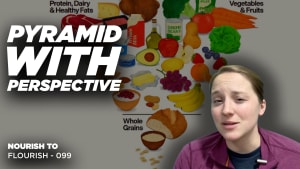
In this Nourish to Flourish conversation, Megan the Trainer (Registered Dietitian) walks through a practical, balanced take on the new dietary guidelines—what’s helpful, what’s nuanced, and how to use these recommendations as a starting point, not a rigid rulebook.
Quick note before we dive in:
The dietary guidelines are designed for the general, otherwise healthy population. If you’re navigating a specific disease state, a medical condition, menopause symptoms, metabolic concerns, or you need individualized nutrition support, you’ll often benefit from personalized nutrition coaching beyond general recommendations.
Why the 2025–2030 Dietary Guidelines Matter
Think of the Dietary Guidelines for Americans as a public health “North Star.” They’re meant to guide nutrition patterns at a big-picture level. They are not a “diet plan,” not a protocol, and not a one-size-fits-all prescription.
One practical win: the new guidelines are easier to digest—literally. They’re presented in a more reader-friendly format that makes it more realistic for people to actually read and apply. That matters because effective nutrition education should feel accessible, not overwhelming.
Protein Gets More Attention (And That’s a Big Deal)
A major theme in the updated nutrition guidelines is a stronger emphasis on protein intake. For many people, this is a helpful nudge—not to obsess, but to become aware of what protein looks like on the plate.
- Metabolism support: protein plays a role in energy balance and maintaining lean tissue.
- Muscle health: adequate protein supports strength, function, and healthy aging.
- Blood sugar stability: protein can help steady meals and reduce the “crash.”
- Satiety: protein helps you feel full and satisfied, which supports consistency.
Bottom line: this isn’t about “protein everything.” It’s about moving from bare-minimum nutrition (surviving) toward more supportive nutrition (thriving).
Gut Health: Fiber, Probiotics, and a Helpful Starting Point
Another area that shows up in the 2025–2030 guidelines is gut health. While it’s not a deep dive, it does highlight foundational elements like fiber and probiotics.
For many people, that’s the right move: start with the basics. A steady focus on fiber-rich foods and gut-friendly habits can support digestion, regularity, and overall well-being—without turning nutrition into a confusing science project.
Dietary Fats, Saturated Fat, and Why the Message Feels Confusing
The “spiciest” part of the conversation online tends to be dietary fat—especially saturated fat. People notice the tension between limiting saturated fat and also seeing certain fats used in real kitchens.
Here’s a practical way to think about it: context matters. Cooking fats can be chosen for heat stability (smoke point), while overall intake still comes down to portions, patterns, and your individual needs.
You don’t need to fear fat—and you don’t need extremes either. The goal is a sustainable nutrition pattern that supports your health, hormones, metabolism, and lifestyle.
Menopause Nutrition & Why Fat Isn’t the Villain
For many perimenopausal and postmenopausal women, nutrition advice can feel especially noisy. This is where a more nuanced conversation around healthy fats matters. Hormones are built from cholesterol-based building blocks, and many women are still carrying the “anti-fat era” mindset that can make nourishing choices feel confusing.
This doesn’t mean “more is always better.” It means we stop treating fat like a moral issue and start treating it like nutrition: something to use thoughtfully, in a way that supports your body.
What About Food Accessibility?
A fair critique of any nutrition guideline conversation is food accessibility. Healthy eating advice can feel out of touch if someone’s dealing with limited access, budget constraints, or food deserts.
Two things can be true at the same time: accessibility is a real challenge, and the dietary guidelines are still meant to provide foundational guidance. Support programs and community solutions are often where the accessibility gap is addressed.
How to Use These Guidelines Without Overwhelm
If nutrition advice has ever left you feeling stuck, here’s a helpful reframe: use the 2025–2030 dietary guidelines as a starting line, not a finish line.
- Focus on patterns over perfection.
- Prioritize protein at meals to support satiety and muscle health.
- Support gut health with fiber-forward choices and consistency.
- Include healthy fats with context—especially during menopause and perimenopause.
- Get individualized help if you have a condition, symptoms, or want a clear plan.
Watch the Full Nourish to Flourish Episode
If you want the full breakdown—protein, fats, gut health, menopause nutrition, and the “why” behind the guidelines—watch the episode below.
Prefer YouTube? Watch here.
Want individualized nutrition coaching?
The dietary guidelines are general. Your body, lifestyle, symptoms, preferences, and health history are personal. If you’d like support that’s realistic, sustainable, and tailored to you, learn more about Nourish to Flourish Nutrition Coaching.
SEO topics covered: 2025–2030 dietary guidelines, dietary guidelines for Americans, registered dietitian, nutrition coaching, protein intake, metabolism, muscle support, satiety, blood sugar, gut health, fiber, probiotics, dietary fats, saturated fat, olive oil, avocado oil, menopause nutrition, perimenopause nutrition, postmenopause, healthy aging, public health nutrition.